| |

What Is a Cross Connection Survey? A Guide for Toronto & GTA Property Owners

Cross Connection Survey Toronto & GTA | Spec-Mark Group

What Is a Cross Connection Survey? A Guide for Toronto & GTA Property Owners

If you own or manage a commercial, industrial, institutional or multi-residential property in Toronto or the Greater Toronto Area, you may receive a municipal notice requesting a cross connection survey.

For property owners already familiar with annual backflow testing, this can create some confusion. Is a cross connection survey simply another backflow test?

No. A cross connection survey and a backflow preventer test serve two different purposes.

A backflow test checks whether a specific backflow prevention device is functioning correctly. A cross connection survey examines the building’s water system to identify where potable drinking water could potentially come into contact with a source of contamination.

The survey helps establish what needs to be protected, while backflow prevention devices provide the physical protection.

What Is a Cross Connection?

A cross connection is an actual or potential connection between a potable drinking water system and another system, fixture, piece of equipment or substance that could contaminate that water.

Cross connections are common in commercial buildings and do not necessarily mean there is a plumbing problem.

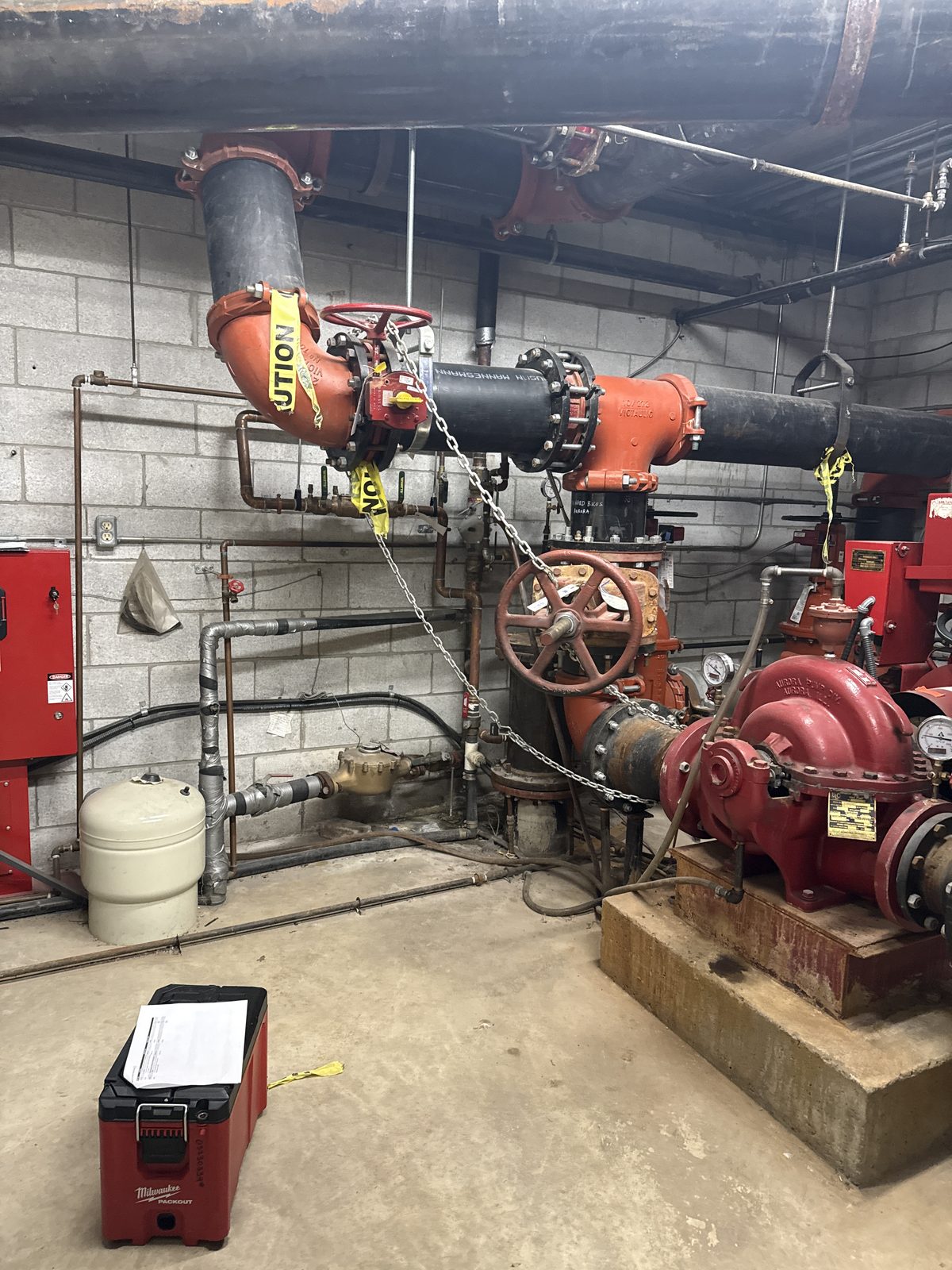
A restaurant, manufacturing facility, commercial building, warehouse or medical facility may have numerous legitimate connections between its water system and equipment used in normal operations.

Examples can include connections involving boilers, commercial equipment, irrigation systems, fire protection systems, chemical dispensing equipment, process equipment, hose connections, mechanical systems, tanks and other water-fed equipment.

The concern is what could happen if water begins travelling backward through one of those connections.

That reversal of flow is known as backflow.

How Does a Cross Connection Relate to Backflow?

Under normal conditions, potable water flows from the municipal water supply into a building.

Backflow occurs when that normal direction of flow reverses.

There are two primary ways this can happen.

Backsiphonage

Backsiphonage can occur when pressure within the potable water supply drops below the pressure at another point in the plumbing system.

A significant pressure reduction can potentially draw water or another substance backward through a cross connection and into the potable water system.

Backpressure

Backpressure occurs when pressure downstream becomes greater than the pressure supplying the potable water system.

Pumps, heating systems, pressurized equipment and certain commercial processes can create conditions where backpressure is possible.

Backflow prevention devices are installed to prevent these conditions from allowing contaminants to enter the drinking water system.

But before the proper backflow protection can be determined, the potential hazards need to be identified.

That is where the cross connection survey comes in.

What Does a Cross Connection Survey Look For?

A cross connection survey is a review of the property’s water system and how water is being used throughout the facility.

The purpose is not simply to locate the backflow preventer beside the water meter.

The surveyor is trying to understand the entire relationship between the water service, building plumbing and potential sources of contamination.

Depending on the property, the survey may involve reviewing the incoming water service, water meter arrangement, existing premise isolation devices, bypass piping, branch connections, mechanical equipment, hose connections, fire protection systems, irrigation, process equipment, boilers, auxiliary water supplies and other water-connected equipment.

The property’s use and degree of hazard are also considered.

This is important because two buildings with similar water services can require very different protection depending on what happens inside them.

A conventional office building does not present the same potential hazards as an automotive facility, food-processing operation or industrial plant.

Cross Connection Survey vs. Backflow Testing

This is the distinction property managers need to understand.

A cross connection survey evaluates the system.

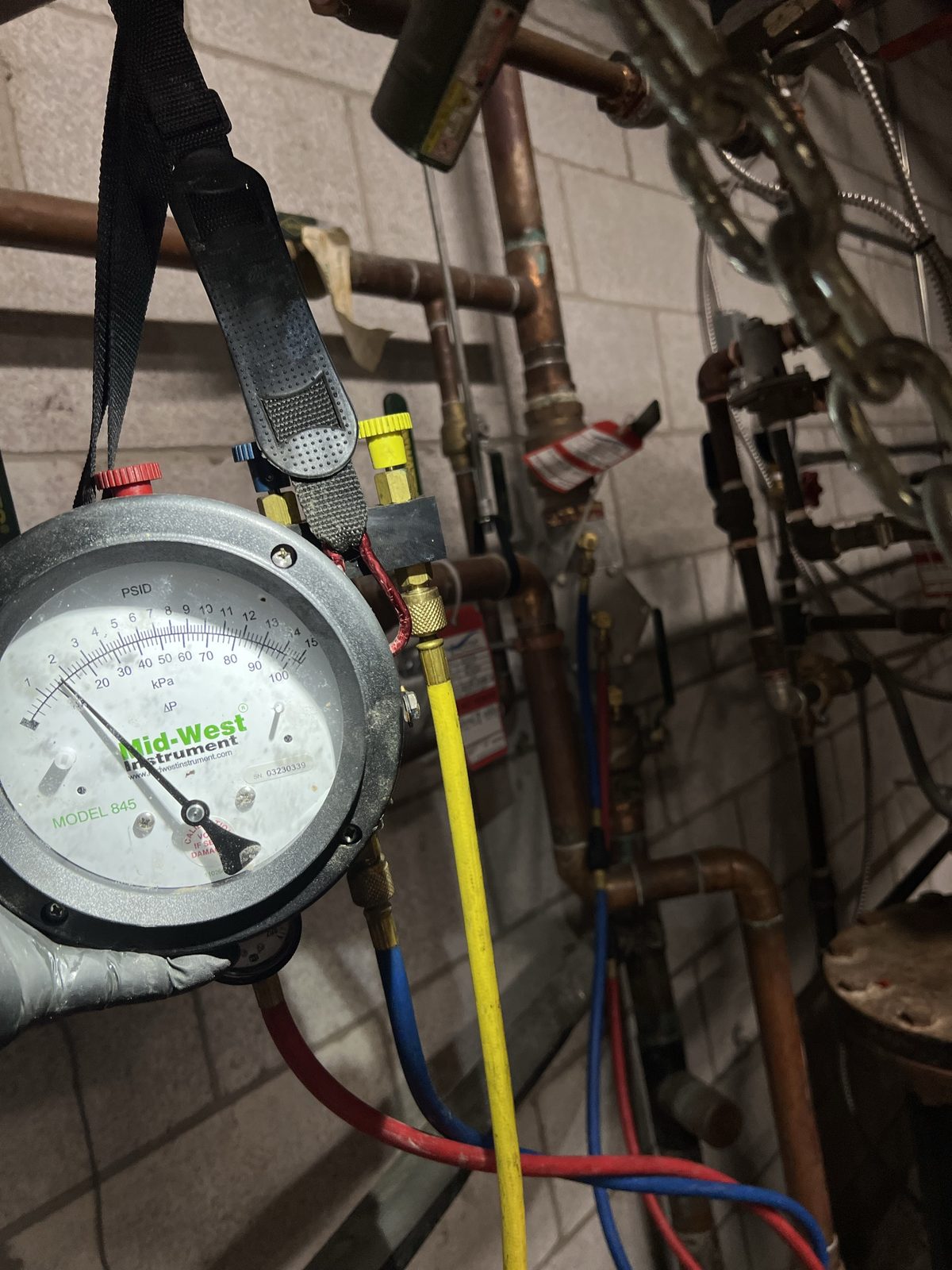
A backflow test evaluates the device.

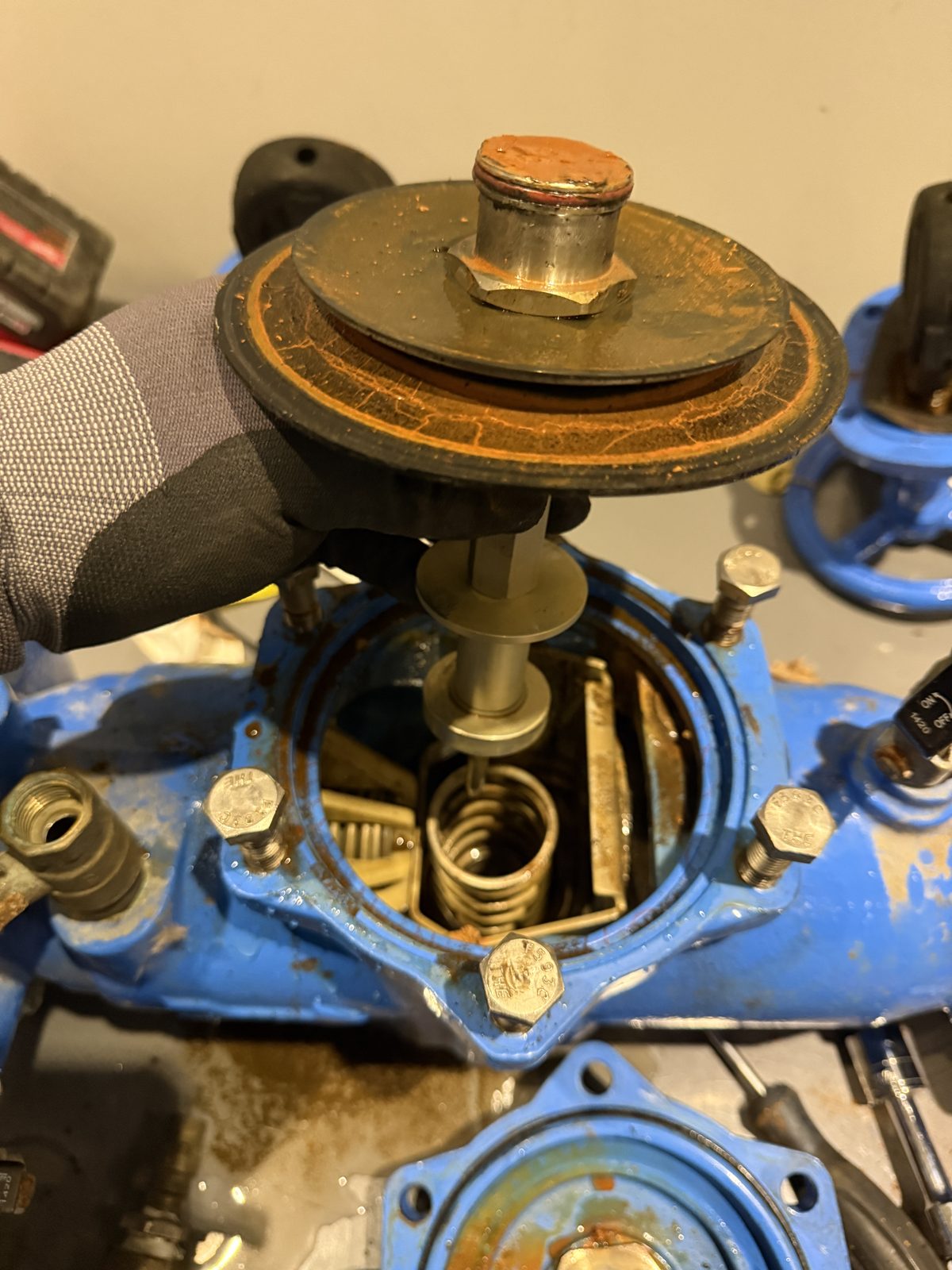
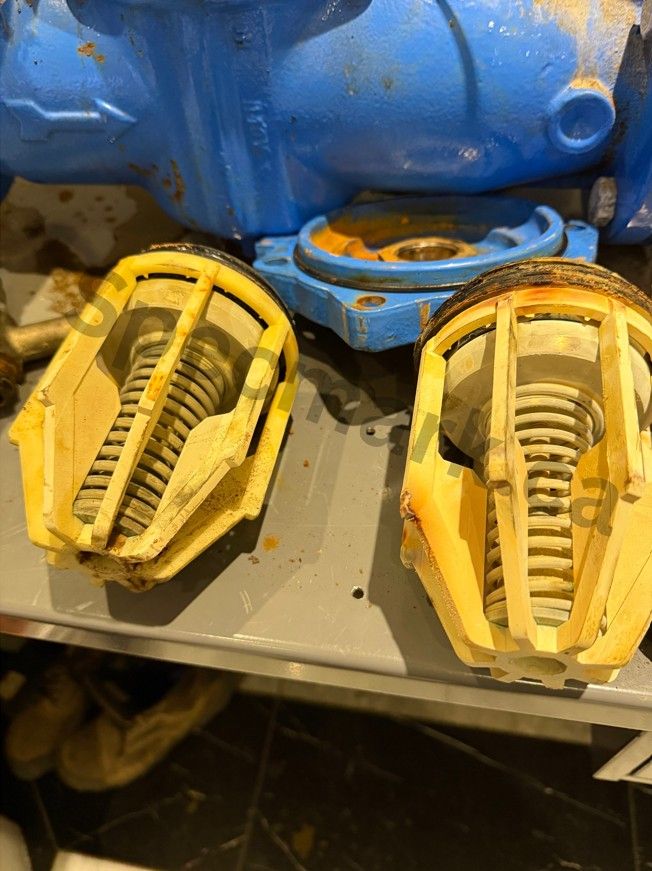
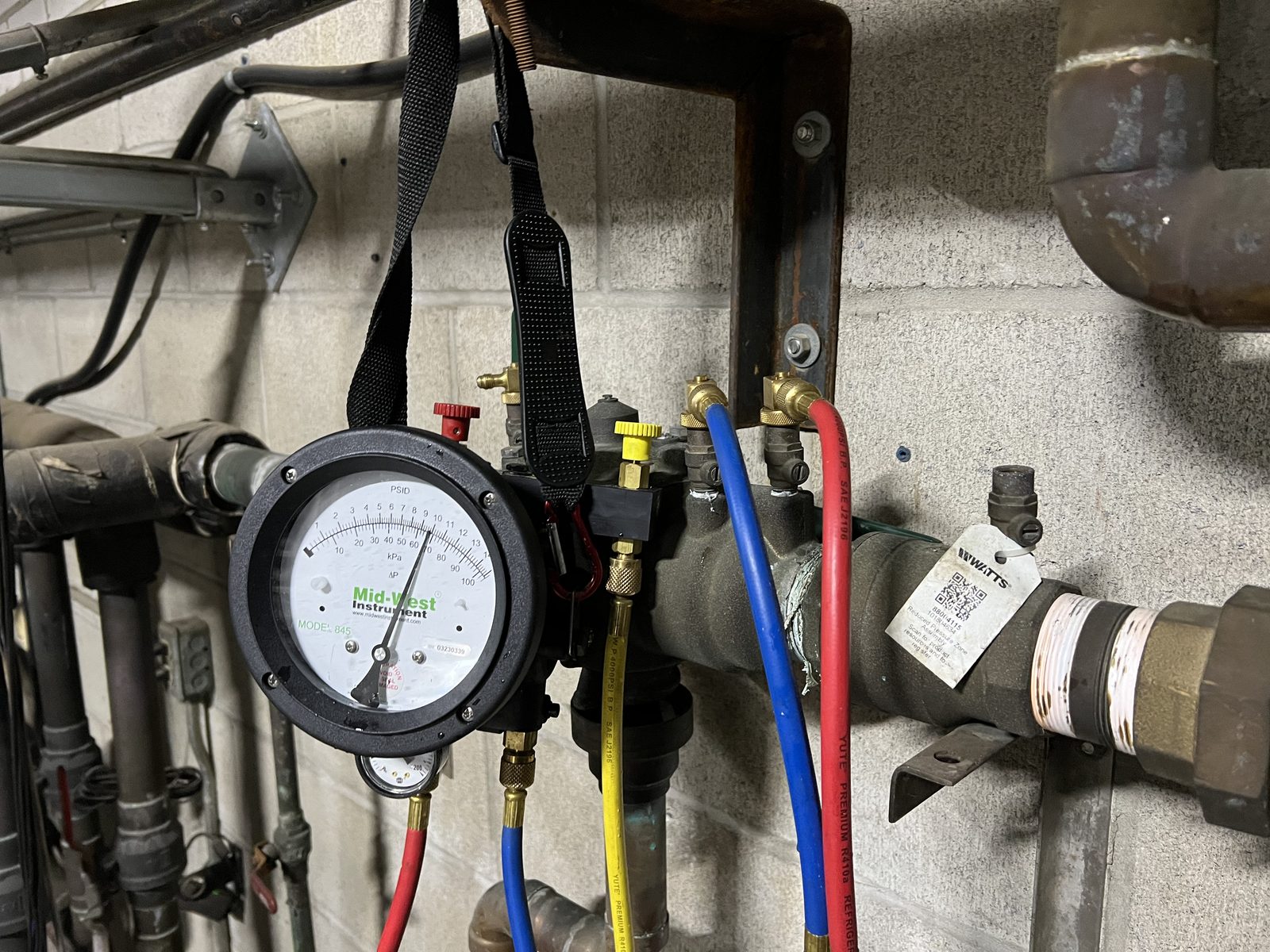
During annual backflow testing, a certified tester performs field tests on an existing testable backflow prevention assembly to determine whether its internal components are operating within the required parameters.

A survey takes a broader look at the property.

It asks questions such as:

Where are the cross connections? What level of hazard exists? What protection is already installed? Is anything bypassing that protection? Has the building changed since the previous survey?

This means a backflow preventer can potentially pass its annual test while the overall plumbing system still has a cross-connection control deficiency.

That distinction is one of the main reasons municipalities require both surveys and device testing.

A Passing Backflow Test Does Not Mean the Entire Building Is Protected

Consider a simple commercial water service:

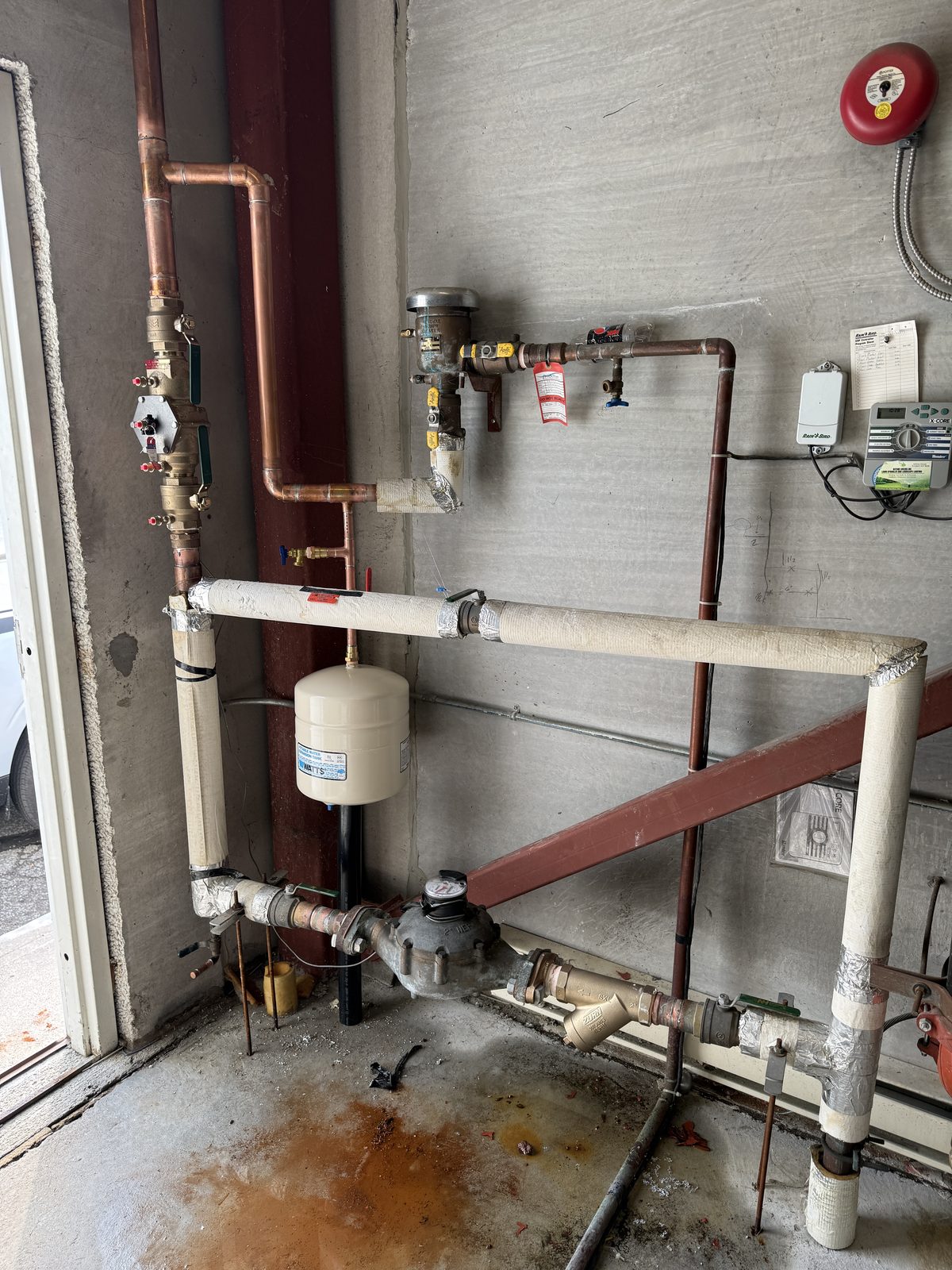
Municipal Water → Water Meter → Backflow Preventer → Building

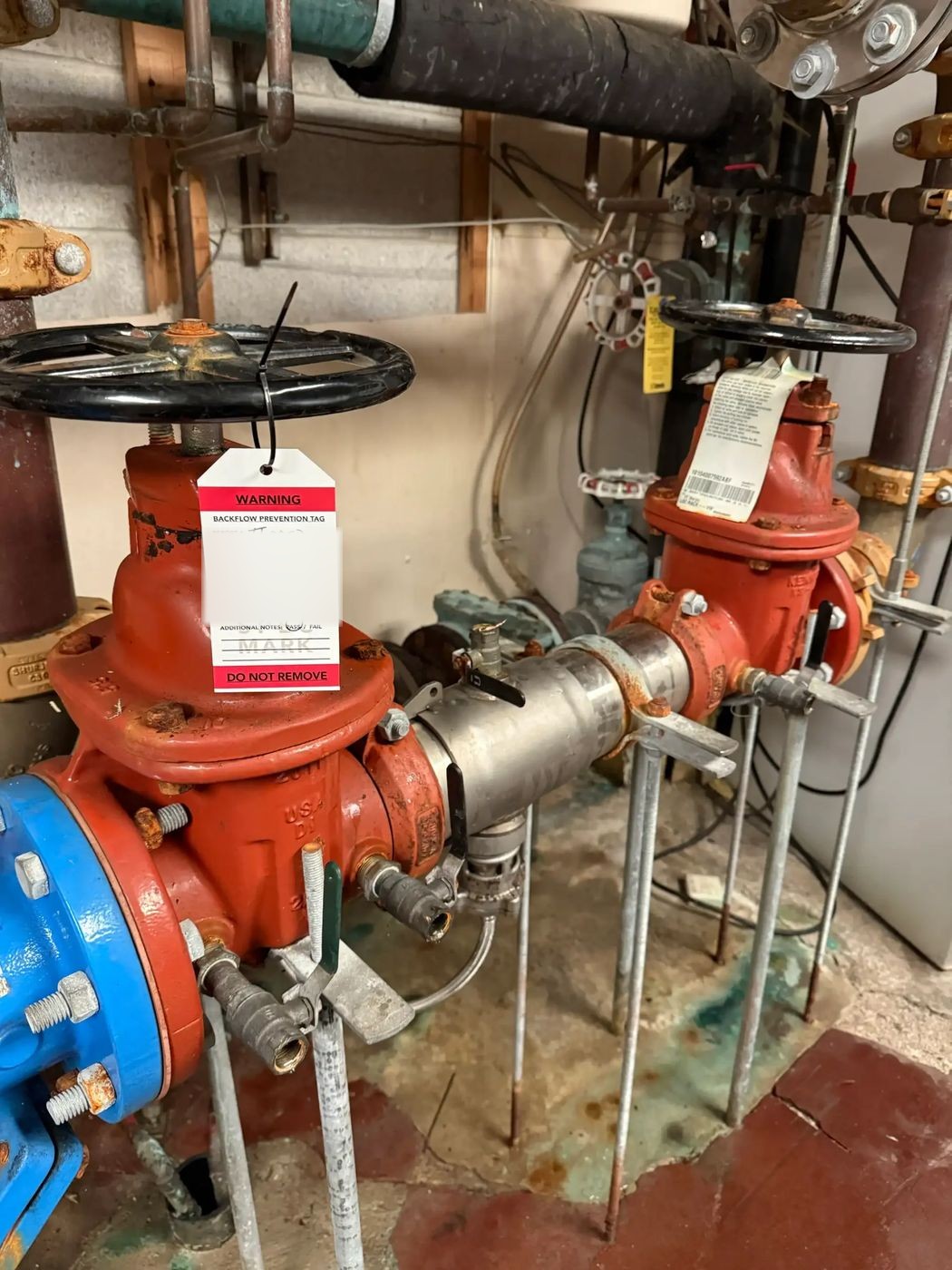
Provided the appropriate backflow preventer is installed and the piping arrangement is correct, the device can provide premise isolation between the building and municipal water system.

Now consider this arrangement:

Municipal Water → Water Meter → Branch Connection → Backflow Preventer → Building

If that branch leaves the water service before the backflow preventer, it may not receive the protection provided by the device.

The backflow preventer itself could still pass its annual test.

The issue is not necessarily a failed device.

The issue is the piping arrangement.

This is exactly why a cross connection survey is different from simply testing the existing device.

Toronto’s Backflow Prevention Program specifically addresses unprotected branches and the arrangement of premise-isolation devices around the meter and bypass piping.

Premise Isolation vs. Individual Protection

Backflow prevention can also occur at different locations within a facility.

Premise Isolation

Premise isolation is intended to protect the municipal drinking water system from hazards originating within the property.

The applicable backflow prevention assembly is generally installed on the incoming water service.

Individual Cross-Connection Protection

Some equipment and systems may require protection closer to the actual source of the hazard.

This is intended to prevent contamination from travelling from that particular system back into the building’s potable water distribution.

A facility may therefore require both premise isolation and individual protection depending on its plumbing and operations.

A cross connection survey helps determine where those hazards exist and whether the protection currently installed corresponds with them.

What Happens During a Cross Connection Survey?

For a commercial property, the process generally begins with reviewing the building’s use and incoming water service.

The surveyor then follows the applicable water systems through the facility and identifies potential cross connections, existing backflow protection and relevant piping arrangements.

Typical information documented during the process can include:

  • Property and occupancy use
  • Number and size of water services
  • Water meter arrangements
  • Existing backflow preventers
  • Device manufacturer, model, size and serial number
  • Equipment connected to the potable water system
  • Existing or potential cross connections
  • Degree of hazard
  • Unprotected piping or branches
  • Required corrective recommendations

The applicable municipal Cross Connection Control Survey Report is then completed.

If deficiencies are identified, the report can be used to determine what corrective work is required.

Cross Connection Surveys in Toronto

The City of Toronto Backflow Prevention Program requires certain properties to complete a backflow prevention survey when requested by Toronto Water.

Toronto states that these surveys must generally be updated at least every five years, unless otherwise approved, and within 30 days following an increase in hazard level.

This makes changes to a commercial property particularly important.

A building may have been compliant when originally surveyed, but conditions can change because of a new tenant, renovation, new equipment, changes to building operations or modifications to the plumbing system.

The survey gives Toronto Water an updated assessment of what is actually occurring inside the property.

Cross Connection Surveys in Richmond Hill

The City of Richmond Hill operates a Backflow Prevention and Cross Connection Control Program for applicable industrial, commercial and institutional properties.

Richmond Hill’s process requires affected property owners who receive notification from the City to retain a qualified contractor, conduct a site survey and complete a Cross Connection Control Survey Report.

The City uses the survey to help determine the type and use of the property, its risk level and what additional requirements may be necessary. Existing backflow prevention devices are also tested as part of the program process.

This demonstrates the difference between the two services particularly well:

The survey assesses the property. The test assesses the backflow preventer.

Cross Connection Surveys in Markham

Markham’s Backflow Prevention Program applies to applicable industrial, commercial, institutional and multi-residential properties.

The City requires a Cross Connection Control Survey every five years or when there is a change in property usage.

Backflow prevention devices are separately tested upon installation and annually thereafter.

A change in property use can be significant from a cross-connection control perspective.

For example, converting a conventional commercial unit into a restaurant, medical facility or manufacturing operation can create completely different water uses and potential hazards.

The plumbing system therefore needs to be assessed based on the property’s current use, not simply what was there when the building was originally constructed.

Cross Connection Surveys in Aurora

Aurora also requires affected industrial, commercial, institutional and certain multi-residential properties to participate in its Backflow Prevention Program.

The Town requires a Cross-Connection Control Survey to identify potential or existing cross connections and classify the property’s degree of hazard.

Aurora requires the survey every five years thereafter or whenever there is a change in property use or ownership.

Backflow prevention devices are then subject to their own installation, testing and maintenance requirements.

Cross Connection Surveys in Vaughan

The City of Vaughan describes a Cross Connection Control Survey as a visual inspection used to identify existing or potential connections between potable and non-potable water systems.

When a property receives a Cross Connection Control Survey Requirement notice, Vaughan currently requires the survey to be completed within the timeline established by its program and submitted following completion.

Vaughan also requires subsequent cross connection surveys every five years from the first survey requested by the City.

For commercial properties that undergo renovations or frequent tenant changes, maintaining accurate information about the water system becomes particularly important.

What Happens If the Survey Finds a Problem?

A deficiency does not automatically mean that all of the building’s existing backflow equipment needs to be replaced.

The required corrective action depends on what the survey identifies.

For example, the solution could involve installing protection on an unprotected cross connection, correcting a bypass arrangement, reconfiguring piping, installing a new premise isolation device, relocating an existing device or replacing a device that does not provide the appropriate level of protection.

The key is that the survey identifies the condition first.

The appropriate corrective work can then be based on the actual plumbing arrangement and hazard instead of making assumptions.

Why Cross Connection Surveys Matter for Commercial Property Owners

For a property owner or facility manager, a cross connection survey is more than another municipal form.

It provides a documented assessment of how potable water is being used within the property and how the municipal water supply is being protected.

That record becomes particularly valuable when tenants change, buildings are renovated, new equipment is installed or a municipality requests updated compliance information.

It also helps prevent a common problem in older commercial buildings: years of plumbing modifications gradually changing the original piping arrangement without the backflow protection being reassessed.

Do I Still Need a Survey If My Backflow Preventer Passes Every Year?

Yes, if the municipality requires a current survey.

A passing annual test only confirms the operating condition of the device being tested.

It does not establish that every potential cross connection within the property has been identified or that the existing piping arrangement provides the required protection.

Think of the process this way:

Cross Connection Survey → Identify the Hazard → Determine Protection → Correct or Install → Test → Maintain

Each part serves a different purpose.

Cross Connection Surveys in Toronto and the GTA

Spec-Mark Group provides cross connection surveys and backflow prevention services throughout Toronto and the Greater Toronto Area, including Richmond Hill, Markham, Aurora, Vaughan and surrounding municipalities.

Services include cross connection surveys, backflow device testing, backflow prevention assessments, repairs, installations and alterations, municipal reporting and compliance support.

If your property has received a Cross Connection Control Survey notice, Notice to Comply or backflow prevention requirement, Spec-Mark Group can review the municipal documentation, assess the property and determine the appropriate next steps.

Contact Spec-Mark Group to schedule a cross connection survey or discuss your property’s backflow compliance requirements.

Similar Posts