Backflow Device Failure: 7 Reasons Debris Causes Failed Tests
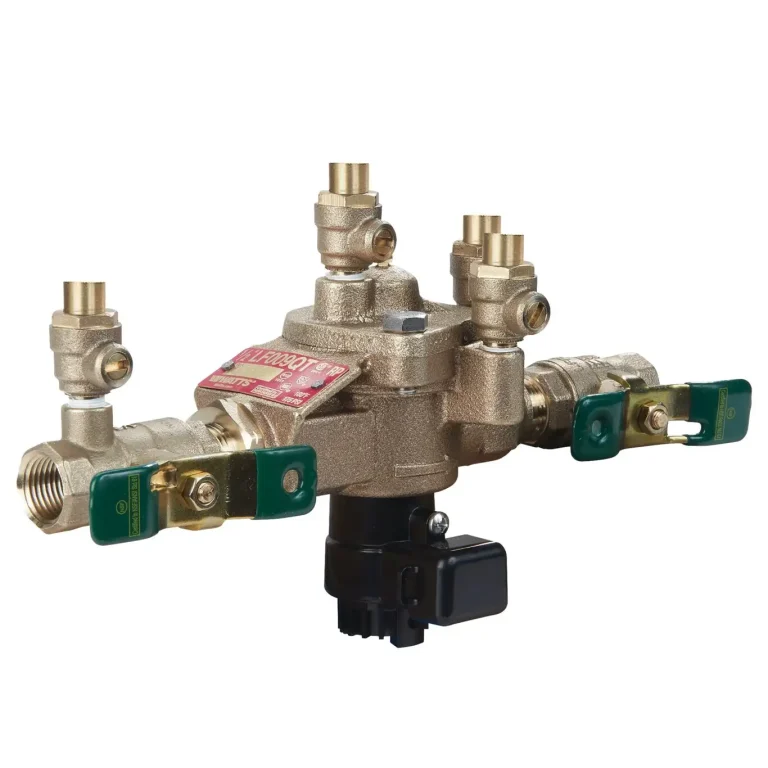
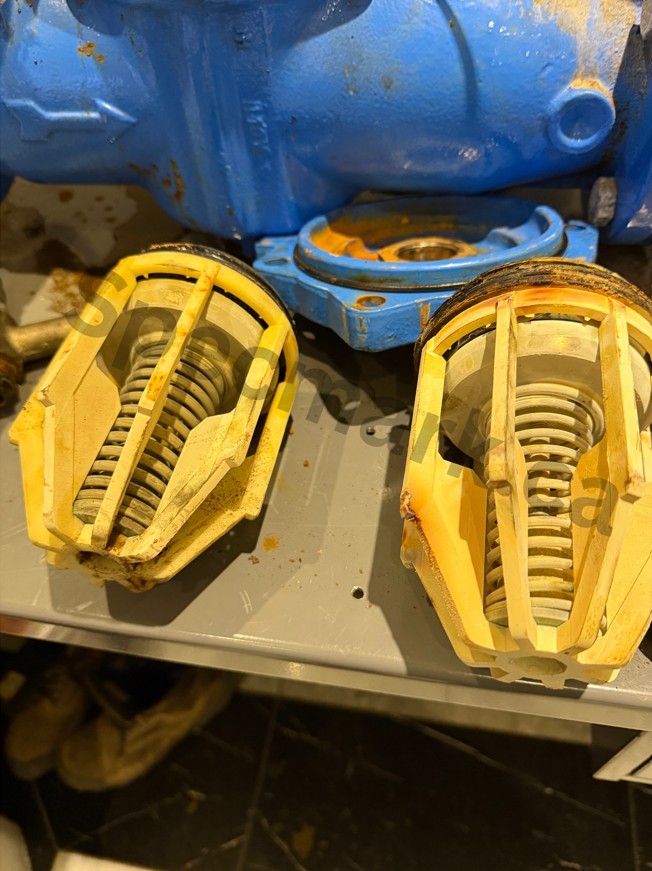
Backflow device failure is a common issue during annual backflow testing. One of the most common causes is debris inside the device, including rust, scale, dirt, pipe fragments, mineral buildup, or worn rubber pieces that prevent the internal check valves or relief valve from sealing properly.
For commercial, industrial, institutional, and multi-unit properties, this can create a frustrating situation. The device may look fine from the outside, but the internal check valves or relief valve may not hold properly during testing. Spec-Mark Group provides backflow testing, repair support, retesting, and reporting assistance for commercial properties across the GTA and surrounding areas.
How Debris in Backflow Devices Causes Failed Tests
Backflow devices rely on internal parts sealing properly. If debris gets caught between a check valve disc and seat, the check valve may not close tightly. Even a small piece of debris can affect the test result.
Common debris sources include:
- rust from older piping
- mineral scale
- dirt from water service work
- small pipe fragments
- deteriorated rubber pieces
- sediment from plumbing systems
- construction debris after renovations
- buildup inside older devices
When debris prevents a proper seal, the device may fail even if the main body of the device is still usable.
Common Signs of Debris Problems
A property owner or manager may not see the debris directly, but there may be warning signs.
Common signs include:
- failed annual backflow test
- inconsistent test results
- leaking relief valve on an RP device
- check valve not holding
- poor pressure readings
- device passing after cleaning or flushing
- repeated failures after water service work
A failed test does not always mean the entire device needs replacement. Sometimes the issue may be repairable after the internal parts are inspected and cleaned.
Why Commercial Properties Are More Likely to Have Debris Issues
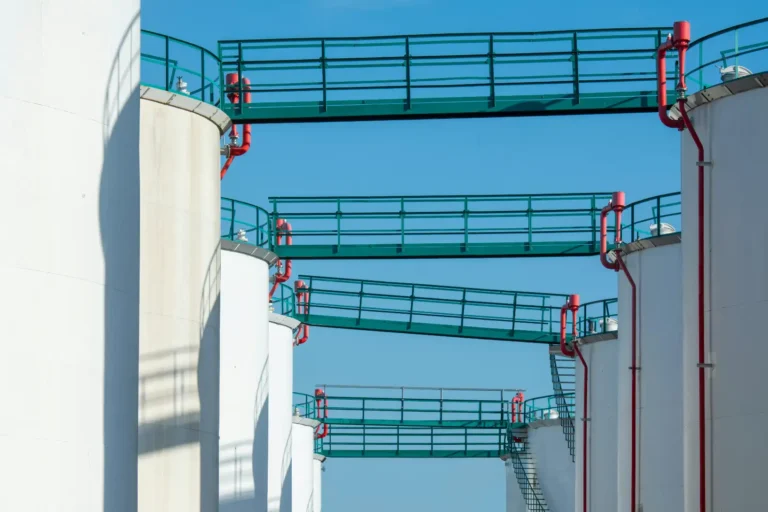
Commercial properties often have more complex water systems than small residential properties. They may have mechanical rooms, fire protection lines, irrigation, boilers, process equipment, hose connections, and older piping.
Debris issues may be more likely after:
- water shutdowns
- plumbing repairs
- valve replacement
- fire line work
- municipal water service work
- renovations
- long periods without use
- old piping disturbance
This is why commercial properties should treat annual testing as both a compliance step and a maintenance checkpoint.
What Happens After a Device Fails Because of Debris?
If debris is suspected, the next step may include repair, cleaning, inspection, or internal kit replacement depending on the device type and condition.
Possible service steps include:
- reviewing the failed test result
- checking the check valve condition
- inspecting the relief valve if it is an RP device
- checking for visible debris
- cleaning or replacing internal components
- replacing rubber kits if needed
- retesting the device
- updating documentation
The practical goal is to get the device back to a passing test result and keep the property records organized.
Repair or Replace: What Should Property Managers Know?
When debris in backflow devices causes a failed test, replacement is not always the first answer. In many cases, cleaning, flushing, rebuilding, or replacing internal parts may be enough to restore the device.
However, replacement may become more practical when:
- the device is very old
- parts are hard to source
- the body is damaged
- the device has repeated failures
- the shutoff valves do not hold
- the device is installed in a poor location
- repair costs are close to replacement cost
Spec-Mark Group can help property managers understand the practical next step after a failed test.
What Property Managers Should Send Before Booking Service
If your device fails annual testing, do not assume the entire device must be replaced immediately. Ask what part failed and whether debris, worn parts, or valve issues may be involved.
Before booking service, send:
- property address
- device photo
- device tag photo
- failed test report
- due date or city notice
- mechanical room access details
- site contact information
- previous repair history, if available
Clear photos and reports help reduce wasted time and make the next service visit more efficient.
Backflow Testing, Repair and Reporting Support
Spec-Mark Group helps commercial properties with backflow prevention, testing and inspection, maintenance and repair, retesting, and reporting support. This is especially useful for property managers, commercial plazas, industrial units, restaurants, warehouses, multi-unit buildings, and institutional properties.
Toronto’s Backflow Prevention Program explains annual testing and reporting requirements for applicable properties. Property owners should also follow the requirements of their local municipality.
Contact Spec-Mark Group
If your commercial property has a failed backflow device and debris may be the cause, contact Spec-Mark Group for backflow testing, repair support, retesting, and reporting assistance.
Spec-Mark Group helps property managers keep annual backflow testing organized, documented, and easier to manage.